Nonstick cookware can release harmful chemicals into food, exposing diners to toxins linked to serious health issues. Research shows that perfluoroalkyl and polyfluoroalkyl substances (PFAS) (often found in nonstick coatings) linger in the body and environment, causing potential long-term harm. Restaurants unknowingly contribute to this problem by using short-lived, chemically treated cookware.
The good news? Bold, sustainable commercial cookware choices help restaurants cook safely while protecting the planet. By switching to eco-conscious cookware choices, your kitchen can reduce waste, improve durability, and offer healthier meals to customers.
Sustainable kitchen tools don’t just last longer; they lower costs and support greener practices. The right tools can make your restaurant part of the sustainability movement without sacrificing quality. Let’s look into how you can upgrade to sustainable solutions.
Durable and Sustainable Metals
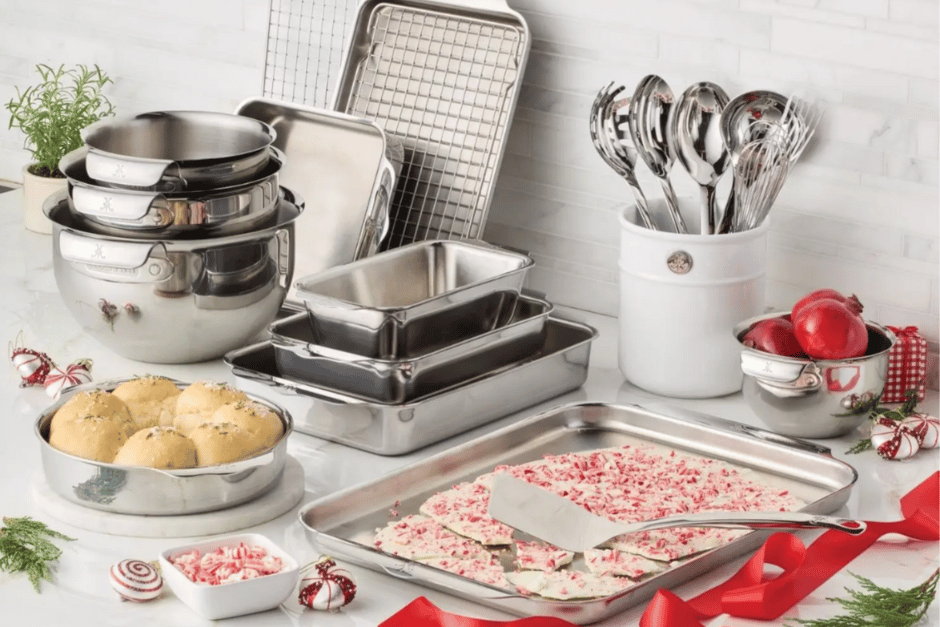
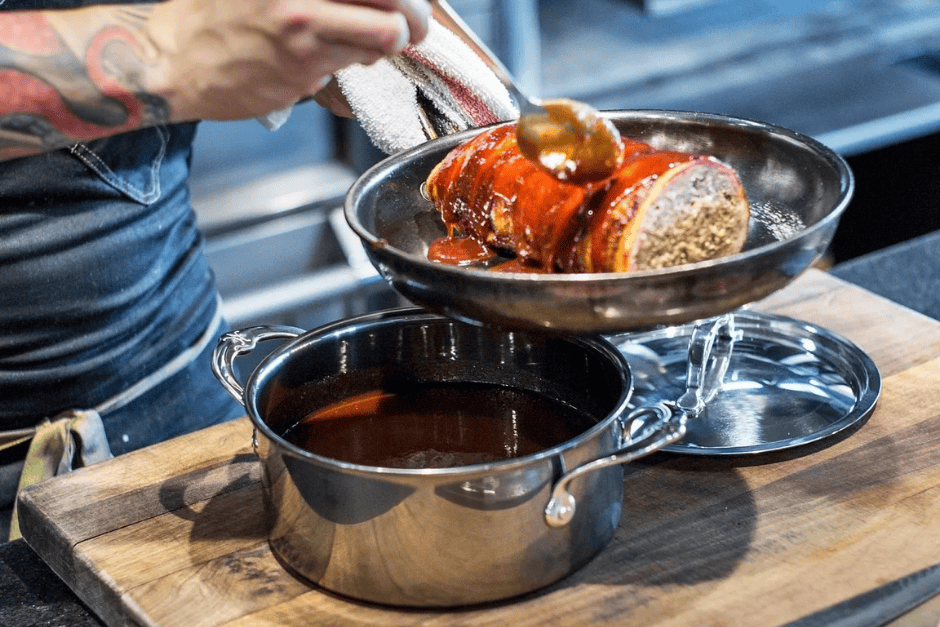
Choosing cookware that lasts means fewer replacements and less waste. Some metals outperform others in both durability and eco-friendliness. Stainless steel, cast iron, and carbon steel are top picks for sustainable restaurant cookware because they resist wear and tear.
- Stainless steel resists rust and corrosion
- Cast iron retains heat longer
- Carbon steel balances strength and weight
- Recycled aluminum minimizes waste
Cookware made from these materials provides long-term value. Stainless steel stands up to daily use, while cast iron’s heat retention improves energy efficiency. Carbon steel, a chef favorite, heats quickly and evenly. Well-made metal cookware stays out of landfills.
Restaurants that invest in these options reduce expenses over time. Switching from disposable or low-quality pans lowers waste and supports green commercial kitchen supplies. Strong, recyclable metals ensure a greener future for foodservice businesses.
Non-Toxic, Natural Coatings
Toxic coatings can release harmful fumes at high temperatures. Many traditional nonstick pans contain chemicals like PFAS, which can leach into food. Choosing safer coatings protects both customers and kitchen staff.
- Ceramic offers natural nonstick
- Enamel prevents rust buildup
- Seasoned cast iron enhances durability
Ceramic and enamel coatings create smooth, easy-to-clean surfaces without harmful chemicals. Seasoned cast iron develops a slick layer over time, making it a safe and eco-conscious cookware choice. Natural coatings improve safety and sustainability.
Health-conscious diners appreciate restaurants that use non-toxic cookware. Switching to chemical-free surfaces improves food safety while reducing environmental damage. When paired with sustainable metals, these coatings extend cookware life and support cleaner cooking.
Eco-Friendly Cooking Accessories
Sustainability extends beyond pots and pans. The accessories used in a restaurant kitchen should also minimize waste and environmental impact. Switching to sustainable kitchen tools improves efficiency while reducing disposable plastics.
- Bamboo utensils replace plastic
- Silicone mats reduce foil waste
- Glass containers keep food fresh
These alternatives last longer and are biodegradable or recyclable. Bamboo tools resist bacteria growth and won’t scratch cookware. Silicone baking mats eliminate the need for parchment paper or foil, and glass storage prevents plastic contamination. Sustainable tools make a big impact.
By swapping disposable accessories for reusable options, restaurants cut waste without sacrificing convenience. Investing in green commercial kitchen supplies supports an eco-friendly operation while maintaining high kitchen standards.
Energy-Efficient Cookware Choices
Energy-efficient cookware reduces utility bills and environmental impact. Heat distribution and retention play a huge role in sustainable cooking. Restaurants that invest in efficient materials see lower energy use and faster cooking times.
- Induction-ready cookware heats faster
- Copper-core pans distribute heat well
- Heavy-bottomed pots retain warmth
Induction cooking reduces wasted heat, cutting energy costs. Copper layers inside stainless steel improve conductivity, leading to even cooking. Efficient cookware improves kitchen performance and sustainability.
Switching to environmentally friendly cookware doesn’t mean sacrificing performance. These tools make cooking easier, faster, and more eco-conscious. Upgrading to heat-efficient materials benefits both the planet and the bottom line.
Recycling and End-of-Life Solutions
Even durable cookware wears out eventually. Instead of sending it to a landfill, restaurants should look for responsible ways to repurpose or recycle old pots and pans.
- Metal recycling programs
- Donations to culinary schools
- Upcycling into new products
Many recycling centers accept metal cookware, turning it into new products. Culinary schools and community kitchens often welcome secondhand equipment. Recycling reduces landfill waste and supports circular economy efforts.
A sustainable restaurant cookware strategy includes considering an item’s full lifecycle. Restaurants that commit to responsible disposal minimize environmental impact and reinforce their sustainability efforts.
Glass and Ceramic Cookware Options
Glass and ceramic cookware provide an eco-conscious cookware choice that combines safety, durability, and sustainability. Unlike metal or plastic, they don’t leach chemicals into food and can be fully recycled at the end of their life cycle. These materials also distribute heat well, ensuring even cooking without hot spots.
- Glass withstands high heat
- Ceramic is naturally nonstick
- Both are free from toxic coatings
- Neither reacts with acidic foods
Glass is an excellent choice for baking and roasting, as it maintains consistent temperatures and resists stains. Ceramic cookware, with its naturally slick surface, eliminates the need for synthetic nonstick coatings that contain harmful PFAS. These materials create a healthier, greener kitchen.
Though glass and ceramic require careful handling, their benefits outweigh the risks. Unlike cheap nonstick pans that degrade quickly, these materials last for years. Restaurants using these options reduce waste and improve cooking performance. With sustainable restaurant cookware, eco-friendly kitchens can create healthier meals while lowering their carbon footprint.
Compostable and Biodegradable Serveware
Not all cookware stays in the kitchen. Many restaurants rely on disposable serveware, which contributes heavily to landfill waste and pollution. Shifting to green commercial kitchen supplies for takeout and serving can significantly cut environmental damage. Compostable options break down naturally, avoiding the long-term harm of plastic-based alternatives.
- Palm leaf plates decompose quickly
- Sugarcane fiber withstands heat
- Wooden cutlery replaces plastic
- Cornstarch-based packaging is sturdy
Traditional plastic containers take hundreds of years to break down, releasing microplastics into soil and water. Compostable serveware, however, degrades within months under the right conditions. Switching to sustainable serveware enhances both brand reputation and eco-friendliness.
Restaurants that use biodegradable plates, cups, and utensils show customers they value sustainability. Many diners now prefer businesses that take eco-conscious steps, making compostable packaging a smart investment. By using sustainable kitchen tools, restaurants help protect the planet while keeping food presentation stylish and practical.
Sustainable Cleaning Practices for Cookware
Sustainability doesn’t stop at cookware materials. Cleaning practices also play a major role in a restaurant’s environmental impact. Many commercial dishwashing products contain harsh chemicals that pollute waterways and degrade cookware surfaces. Choosing environmentally friendly cookware also means adopting green cleaning methods that extend its lifespan.
- Plant-based dish soaps cut toxins
- Steam cleaning removes grease
- Water-efficient dishwashers save resources
- Natural scrubbing brushes replace plastic sponges
Using biodegradable soaps and detergents prevents harmful runoff from entering water systems. Steam cleaning, which uses heat and moisture instead of chemicals, is a powerful way to sanitize cookware without toxic residue. Simple cleaning swaps make a big impact on sustainability.
Water conservation is another key factor. Restaurants can install energy-efficient dishwashers and train staff to minimize water waste while rinsing dishes. Switching from single-use plastic sponges to compostable scrubbers also reduces landfill waste. Sustainable cleaning habits not only protect the environment but also keep cookware in top condition, reducing the need for replacements.
Ethical Sourcing of Cookware Materials
Sustainable cookware isn’t just about materials; it’s also about how those materials are sourced. Many cookware brands now focus on ethical sourcing, ensuring fair labor practices, reduced carbon emissions, and responsible material extraction. Restaurants committed to sustainability should prioritize sustainable restaurant cookware made by brands that value ethical production.
- Fair-trade-certified cookware supports workers
- Recycled materials reduce mining demand
- Low-emission factories cut pollution
- Sustainably sourced wood handles reduce deforestation
Many eco-conscious cookware choices now incorporate recycled aluminum, which saves energy and reduces waste compared to newly mined metals. Fair-trade practices ensure that factory workers are paid fair wages and work in safe conditions. Choosing ethically sourced cookware supports both people and the planet.
Restaurants that invest in ethically made products demonstrate a commitment to sustainability beyond their own kitchen. Supporting cookware brands with transparent, responsible sourcing ensures that every step of production (from raw materials to finished pans) aligns with environmental and social responsibility goals.
The Role of Restaurants in Sustainability
Restaurants play a huge role in driving sustainable change. With millions of meals served daily, small shifts in cookware choices can significantly reduce waste, pollution, and energy use. By investing in sustainable restaurant cookware, businesses help create a cleaner food industry.
- Durable cookware reduces landfill waste
- Recyclable materials lower carbon footprints
- Non-toxic coatings protect health
- Efficient cookware saves energy
Customers notice and appreciate eco-friendly efforts. Many diners now prefer restaurants that prioritize sustainability, making green choices a smart business move. Sustainability isn’t a trend; it’s the future of food service.
Restaurants that commit to greener kitchens don’t just help the planet; they also cut long-term costs. Sustainable cookware lasts longer, reducing the need for frequent replacements.
Smart Commercial Cookware Choices for Sustainability
Running an eco-friendly restaurant starts with selecting the right tools. Commercial cookware made from durable materials, safe coatings, and energy-efficient designs supports both your kitchen and the planet.
Upgrade your restaurant’s kitchen with sustainable, eco-friendly cookware from The Hode Group. Our high-quality solutions not only reduce waste but also boost kitchen efficiency and customer satisfaction. Click here to explore durable, nontoxic, and energy-efficient cookware that supports both your business and the planet.